
Thinking of selling your caravan? Whatever your reason for doing so, putting a little though into the process could help it go smoothly and a lot more quickly.
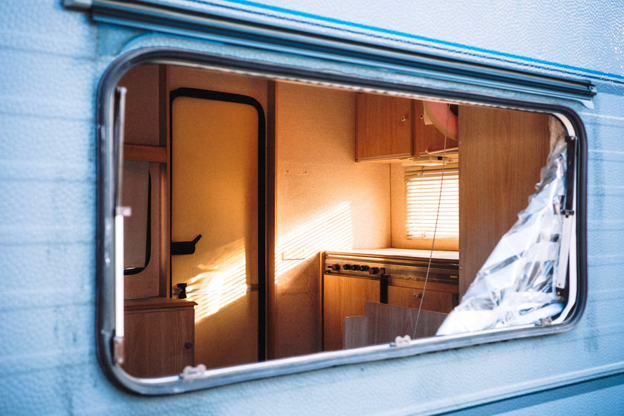
A quick caravan sale starts well before the advert goes live. Clear paperwork, honest presentation and a sensible price all help buyers reach a decision without weeks of back-and-forth messages. You don’t need to renovate the whole interior either. A thorough clean, a few repairs and carefully chosen small upgrades can improve its appeal without swallowing the money you hope to put towards your next model.
The trick is to focus your time where buyers will notice it. Here’s how to prepare your caravan, choose the right selling route and keep the process moving.
Start with an honest assessment
Walk around the caravan as though you were seeing it for the first time. Familiarity makes it easy to overlook a faded seal, a stiff cupboard hinge or a stain that has been there for years. Take a notebook with you and inspect the bodywork, windows, lights, tires, locks and external storage areas before moving inside.
Check for signs of damp, especially around windows, roof vents and corners. A musty smell may worry buyers even when the source is a wet awning stored under a seat, so air the caravan thoroughly and deal with the cause. Test the water pump, interior lighting, heating controls and appliances that are included in the sale. If something doesn’t work, decide whether a repair is economical or whether you’ll disclose the fault and adjust the price.
Split your notes into three groups:
- Jobs you can complete cheaply, such as cleaning upholstery or replacing a broken catch
- Repairs that need professional attention
- Cosmetic flaws that are best disclosed honestly
Set a spending limit before ordering parts. It rarely makes sense to fit expensive accessories simply for the next owner. Buyers value a dry, clean and functional caravan more than a collection of flashy extras with little practical benefit.
Once you know its condition, compare it with caravans of a similar age, size and layout. Advertised prices give you a starting point, although they don’t show what a caravan eventually sold for. Allow for condition, service history and seasonal demand when setting your figure.
Choose a selling route that fits your deadline
Your preferred selling method should reflect how quickly you need the money and how much time you can give to viewings. A private advert may give you more control over the asking price, but you’ll need to answer enquiries, arrange appointments and deal with negotiations. Some potential buyers will also want to inspect every appliance and spend time checking the caravan’s history.
If your upgrade is already waiting at a dealership or storage fees are mounting, speed may matter more than holding out for the highest possible offer. A specialist buying service can provide a valuation, arrange collection and make payment without the delays that often come with advertising. This can be a practical option when you need to sell your caravan quickly and don’t want to manage several rounds of viewings.
Whichever route you choose, ask what happens at each stage. Confirm who handles collection, how payment will be made and whether any fees could be deducted from the agreed amount. If you’re speaking to a direct buyer, describe faults accurately when requesting the valuation so the offer isn’t based on an unrealistic picture.
For a private sale, give yourself a clear timetable. You might run the advert for two weekends, review the response and then consider another route if serious enquiries haven’t appeared. That prevents an open-ended sale from delaying your replacement caravan.
Get the paperwork in order
A buyer who is ready to proceed may lose confidence if key documents are missing. Gather the purchase receipt, service records, appliance manuals, warranty details and receipts for significant repairs in one folder. Include evidence of recent tire replacement, damp checks or servicing if you have it.
The caravan’s unique identification details should match the documents and physical markings. In the UK, the proof of ownership connected with the caravan’s registration and identification record can help reassure a prospective buyer that the sale is legitimate. If you’ve moved home or changed your contact details, check that the record is current before accepting an offer.
Prepare a simple receipt showing:
- The seller’s and buyer’s names and addresses
- The caravan’s make, model and identification number
- The agreed price and payment date
- Any items included in the sale
- Known faults already explained to the buyer
- The date and time of handover
Both parties should keep a signed copy. Avoid vague descriptions such as “all accessories included” because they can cause confusion later. List the awning, battery, water container, hitch lock and other agreed items separately.
Never hand over the caravan based on a screenshot of a bank transfer. Check your own account and confirm that cleared funds have arrived. If a buyer wants to pay using an unfamiliar service or sends more than the agreed price, pause the transaction until you’re satisfied that everything is genuine.
Make the caravan easy to view
Presentation affects how quickly buyers form an opinion. Remove personal belongings first, including food, bedding, toiletries and family photos. A less cluttered interior feels larger and lets people picture how they would use the space.
Clean from the top down. Wipe the ceiling and cupboards, wash the windows and vacuum under seats before tackling the floor. Empty the fridge, clean its seals and leave the door slightly open until the viewing. Use mild cleaning products because heavy air fresheners can make buyers wonder whether you’re covering a damp or pet smell.
Outside, wash the bodywork using products suitable for caravan surfaces. Clear dirt from wheel arches and clean around handles, lockers and trim. Don’t use aggressive pressure washing close to seals because water can be forced into joints. Set up the step and open the blinds before a viewing so the caravan feels welcoming as soon as the buyer enters.
Allow daylight for appointments where possible. Buyers need to see exterior panels, seals and tyres clearly, and you’ll find it easier to demonstrate the lights and other features. Have mains power available only if the connection is safe and appropriate. Recent professional gas and electrical checks can add useful reassurance, but never imply that an old inspection guarantees the current condition.
Keep children’s toys, bicycles and other obstacles away from the viewing area. A buyer should be able to walk all the way around the caravan and inspect the hitch without squeezing through a packed driveway.
Build an advert that answers real questions
Strong adverts save time because they answer common questions before buyers contact you. Include the exact make, model, year, berth count and layout. State the caravan’s condition, service history and included accessories, then mention any known defects in plain language.
Photographs should cover more than the most attractive corner. Take clear landscape images of each exterior side, the hitch, wheels, lounge, beds, kitchen, washroom and storage spaces. Photograph identification markings for your records, but consider obscuring part of the number in a public advert to reduce the risk of copied listings.
Avoid claims such as “perfect condition” unless you can genuinely support them. A more useful description might say that the caravan’s complete service history, two recently replaced tires and a small cosmetic mark beside the rear window are included. Specific details sound credible and help potential buyers decide if the viewing is worthwhile.
Check spelling and measurements before publishing. If the caravan is stored away from your home, say roughly where viewings will take place without posting a precise private address. Explain when you’re available and how you prefer to be contacted.
Reply promptly, but don’t mistake a stream of one-line messages for serious interest. Give priority to people who ask practical questions, propose a realistic viewing time and confirm who will attend. Keep negotiations inside the advertising platform where possible so there’s a written record.
Keep the handover calm and secure
Agree the final price before collection and confirm which accessories will remain in the caravan. On the day, give the buyer enough time for a final inspection. Demonstrate locks, keys, control panels and any equipment you’ve agreed to include, then record meter readings if they’re relevant.
Secure payment deserves your full attention. Confirm the buyer’s name and make sure the funds appear in your account before signing the receipt or releasing keys. Don’t let pressure about a waiting driver or a long trip rush this step. Legitimate buyers understand that payment must be verified.
Once the transaction is complete, remove your belongings and check every locker one last time. Cancel any storage, insurance or tracking services that won’t transfer to the new owner. Update the relevant ownership record promptly and retain copies of the advert, receipt and payment confirmation.
A tidy folder handed to the buyer makes a good final impression. Put the receipt, manuals, service records and spare keys together, with any quirks explained on a short note. That small bit of organization helps the new owner get settled and lets you turn your attention to the upgrade waiting ahead.