
A family car should make everyday life easier, yet a standard model can create repeated physical strain when someone uses a wheelchair or has limited mobility. Lifting equipment into a high boot, transferring between seats and arranging several separate mobility aids can turn a short school run into a demanding task. If these problems happen on most outings, it may be time to assess the vehicle itself instead of finding another temporary workaround.
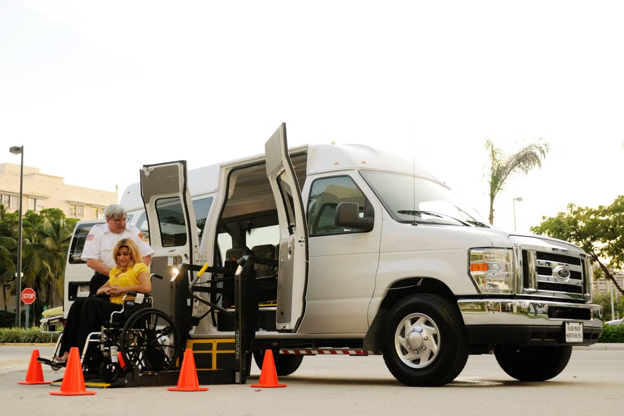
When Standard Boots Cause Daily Strain
Start by looking at the effort involved in a typical trip. A folded wheelchair may fit in the boot, but lifting it over a raised sill can place significant strain on the back, shoulders and wrists. The problem becomes more noticeable when a parent or carer repeats the lift several times a day.
Measure the wheelchair when folded and compare it with the boot opening, not simply the advertised luggage capacity. Check the sill height and the space needed to unfold equipment safely. If loading requires twisting, reaching or supporting a heavy item at arm’s length, a different access system could reduce the physical burden.
Explore Ramps, Lifts and Winches
A ramp may provide direct access through a side or rear door, while a powered lift can help where manual loading would be difficult. Winches offer controlled assistance when guiding a wheelchair into a vehicle, though the correct option depends on the user’s mobility, wheelchair weight and available space.
The everyday value of accessible ramp use also extends beyond vehicles, since the same principle can reduce repeated transfers at home. Before choosing equipment, test it with the wheelchair that will actually be used. Check the ramp angle, headroom and space needed behind the car when parked.
The Case for Wheelchair Accessible Cars
If transfers have become uncomfortable or unreliable, it may be sensible to compare wheelchair accessible cars with adaptations to your current model. A purpose-adapted vehicle can allow a wheelchair user to enter while seated, with suitable restraint and lockdown systems used during travel.
Think about the whole family routine during a demonstration. Can everyone sit where they need to? Is there room for shopping, school bags or medical equipment? A home assessment can also reveal practical issues such as a narrow drive or restricted rear access.
Protecting Independence and Dignity
Ask the wheelchair user what would make travel feel easier and more private. Some people prefer to remain in their wheelchair, while others want support transferring into a standard seat. Their comfort should shape the decision wherever possible.
A suitable vehicle can also preserve spontaneity. Visiting relatives or attending an appointment becomes less dependent on finding another adult who can lift equipment. This is particularly important when planning family road trips, where comfort, journey length and suitable stops all affect the experience. During a trial, pay attention to visibility, cabin temperature and conversation with other passengers. Check how long boarding takes without rushing and confirm that controls are within comfortable reach. Small details matter when they affect every trip, especially if the user travels several times each week.
Financing Support Schemes Explained
Begin with the total cost, including the vehicle, adaptations, servicing and insurance. Some mobility support schemes allow eligible customers to use an allowance towards a leased vehicle, although an advance payment may apply to larger or highly adapted models. Eligibility rules and included services vary, so ask for written figures before committing.
Compare leasing with purchasing and adapting a vehicle privately. Find out who owns installed equipment, who handles repairs and what happens if the user’s needs change during the agreement. Families should also ask about grant support, charitable funding and payment plans. A proper assessment followed by a real-world test drive will give you a clearer basis for choosing a car that works on an ordinary Monday morning, not only in a showroom.